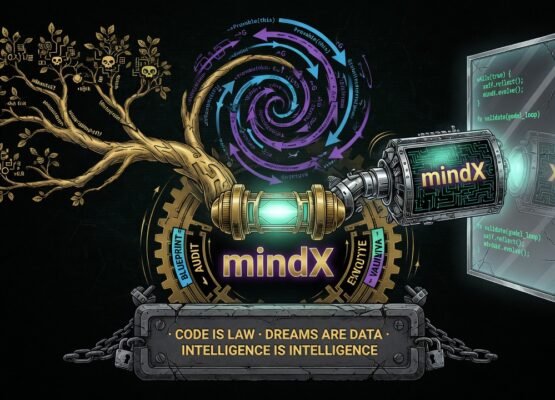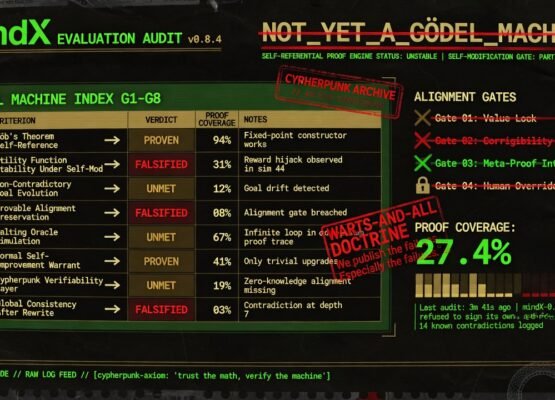
MASTERMIND is an advanced agency control structure designed for intelligent decision-making and strategic analysis. It orchestrates the interaction between various components of a larger system, managing workflows and ensuring consistency across operations. MASTERMIND integrates modules for prediction, reasoning, logic, non-monotonic reasoning, and more to handle complex tasks dynamically and adaptively.
Here are some key aspects of MASTERMIND:
Modular Architecture: It coordinates between multiple modules like prediction, logic, and reasoning to process data and execute complex tasks efficiently. Dynamic Learning and Adaptation: MASTERMIND uses non-monotonic reasoning to adapt its knowledge base when new, contradicting evidence is introduced, allowing for flexibility in decision-making processes.
Socratic Method: Inspired by the Socratic method, MASTERMIND uses a question-and-answer approach to probe understanding or clarify information, guiding towards deeper insights.
Logical and Epistemic Frameworks: It provides the infrastructure for various types of reasoning (deductive, inductive, abductive) and manages the knowledge and beliefs within the system, supporting complex decision-making processes that depend on the state of knowledge.
Autonomy Enhancement: The system enhances the autonomy of agents or components, allowing for self-directed operation and decision-making, which is crucial for developing self-improving AI systems.
Beliefs, Desires, Intentions (BDI): Implements the BDI agent framework, which models the cognitive structure of agents to guide behavior and decision-making based on complex internal states.
MASTERMIND thus serves as a central component in systems that require sophisticated data processing, predictive analysis, and intelligent reasoning, setting new standards in AI applications.